
A Two-Pronged Approach for Marine and Freshwater: Anti-Infection Applications of Bacteriophages in Aquaculture
—— Innovating Aquatic Food Safety with Precision Green Biocontrol
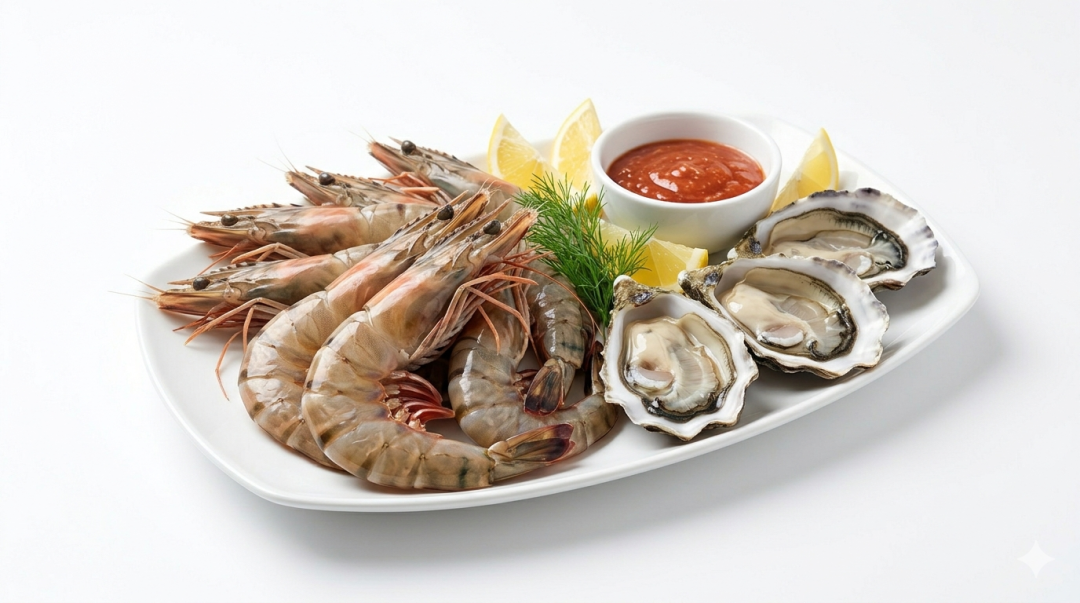
Researchers at the University of Milan observed that "Aquaculture represents the only viable solution to meet the world's burgeoning demand for premium seafood." However, with the rapid intensification of modern aquaculture, antimicrobial resistance (AMR) triggered by antibiotic abuse has become an existential crisis. Controlling pathogenic bacterial proliferation across the aquatic production chain is critical. Against this backdrop, bacteriophages—nature's highly targeted precision biocontrol agents—are emerging as the definitive green alternative for aquatic disease control across both marine and freshwater sectors.
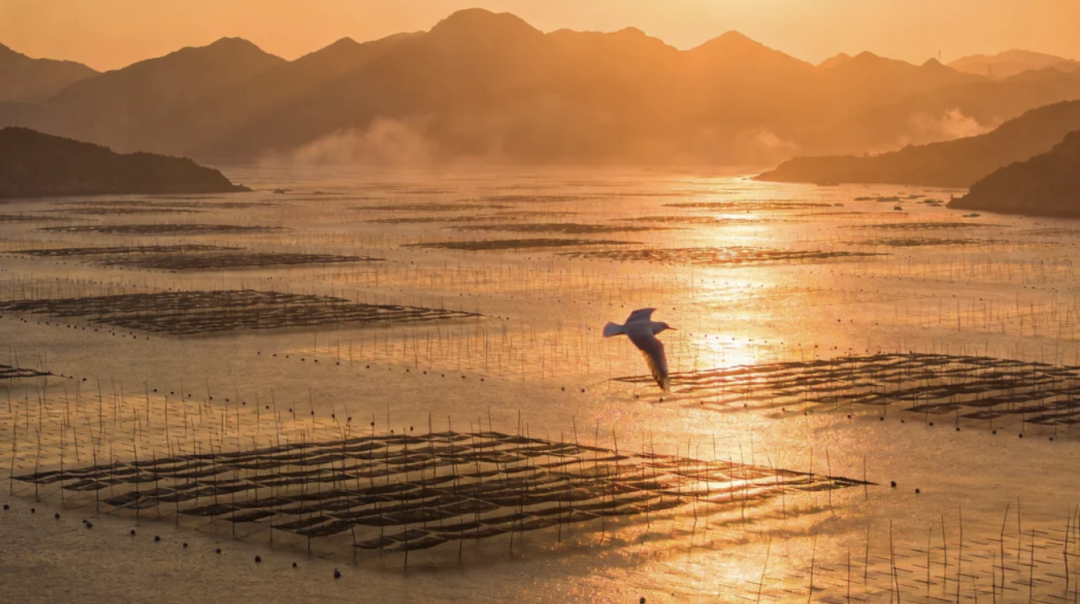 Figure 1: Microbiological safety and AMR suppression are paramount for premium seafood
1. Fundamental Similarities and Differences: Marine vs. Freshwater Aquaculture
1. Core Commonality: "Water Management is Stock Management"
Regardless of salinity, high-density aquaculture systems share identical biological vulnerabilities:
- Water Quality Metric Stress: Accumulation of unconsumed feed and fecal waste causes ammonia and nitrite spikes, triggering explosive pathogenic blooms.
- Dissolved Oxygen Bottlenecks: Dissolved oxygen fuels beneficial nitrifying bacterial communities. When virulent pathogens overrun the niche, water self-purification mechanisms collapse.
- Environmental Stress Triggers: Heatwaves, flash downpours, abrupt water changes, and sudden algae crashes induce acute physiological stress, lowering immune defense.
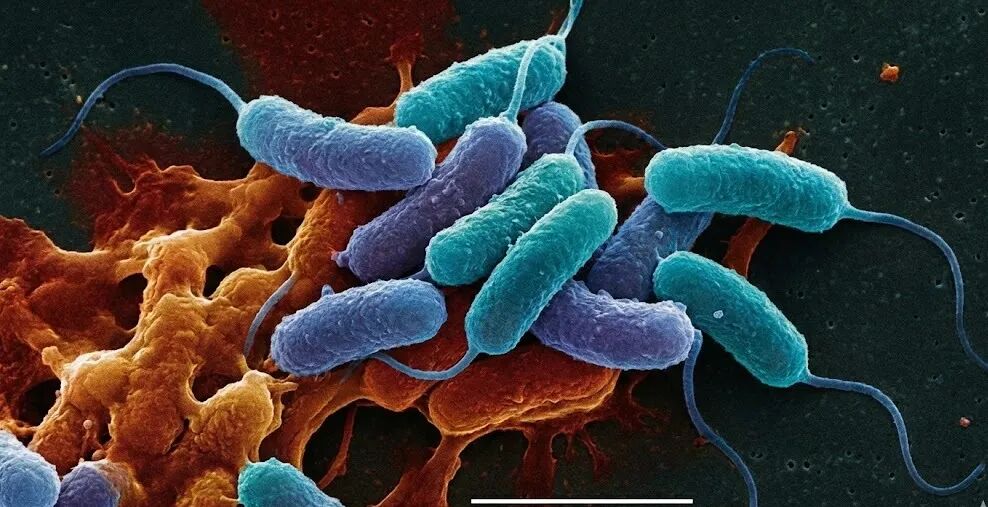 Figure 2: Water microbiome buffering capacity directly governs host pathogen resistance
2. Core Differences: Buffering Capacity and Osmotic Pressure
Marine Aquaculture (High Salinity, Strong Buffering): Seawater possesses an immense chemical buffering reservoir rich in calcium, magnesium, and potassium ions with stable pH. However, once sediment quality degrades, microbial remediation is exceptionally difficult. Probiotics exhibit slower response times in high salinity, making proactive pathogenic suppression vital.
Freshwater Aquaculture (Low Salinity, Fragile Buffering): Freshwater exhibits rapid water quality fluctuations and intense diurnal pH swings. Mineral supplementation during crustacean molting requires heavy intervention. Chemical disinfectants and antibiotics cause severe resistance and chemical residues, threatening consumer safety.
3. Distinct Microbial Ecosystems
Salinity governs the native ecological niches of aquatic pathogens:
- Marine Flora (Halophilic Dominance): Seawater naturally favors halophilic species, allowing Vibrio to occupy dominant niches. Standard non-adapted probiotics burst under osmotic pressure.
- Freshwater Flora (Dynamic Complex Communities): Dominated by opportunistic bacteria such as Aeromonas hydrophila and Pseudomonas, alongside broader microecological probiotic interventions.
2. The Omnipresent "Vibrio" Threat
A persistent misconception assumes Vibrio is strictly marine. In reality, virulent strains inflict massive economic damage across freshwater systems as well.
 Figure 3: Microscopic visualization of pathogenic bacteria and targeted phage predation
1. Pathogen Landscape: Dual-Salinity Invaders
Marine Vectors: Vibrio parahaemolyticus, Vibrio alginolyticus, and Vibrio harveyi are notorious culprits of Early Mortality Syndrome (EMS/AHPND) in shrimp and hemorrhagic septicemia in marine fish.
Freshwater Reservoirs: Species such as Vibrio mimicus thrive in low salinity or pure freshwater. Outbreaks of "red body", "empty gut", and "early mortality" in giant freshwater prawns and tilapia are frequently driven by toxin-bearing Vibrio variants.
2. Drivers of Freshwater Vibrio Outbreaks
- Seedstock Transfer: Postlarvae often harbor dormant Vibrio colonies carried from hatchery desalination nurseries, bypassing routine inspection.
- Eutrophication & Sediment Anoxia: Excessive feeding deposits organic layers on pond bottoms, creating ideal anaerobic conditions for exponential bacterial proliferation.
3. Bacteriophage Precision Biocontrol
Lytic bacteriophage cocktail formulations overcome antibiotic resistance with precise targeted efficacy:
 Figure 4: Lytic bacteriophages serve as biological nanomachines targeting specific pathogens
🎯 Precision Lysis
Specific surface receptor recognition ensures target pathogen destruction while leaving beneficial nitrifying and probiotic flora intact.
🛡️ Biofilm Eradication
Phage depolymerases degrade bacterial extracellular matrix, eradicating deep-seated pathogens across tanks, pipes, and nets with 0 chemical residue.
⚡ Dual Delivery Modes
Direct immersion water treatment sanitizes pond water rapidly, while feed supplementation establishes gut mucosal protection.
❄️ Cold-Chain Decontamination
Cold-adapted phages reduce Vibrio parahaemolyticus on raw seafood by over 99% during refrigerated transport, safeguarding public health.
References
- Albarella D, Dall'Ara P, Rossi L, Turin L. Bacteriophage Therapy in Freshwater and Saltwater Aquaculture Species. Microorganisms. 2025 Apr 6;13(4):831. doi: 10.3390/microorganisms13040831. PMID: 40284667.
- Nie Z, Cheng X, Jiang S, Zhang Z, Zhang D, Chen H, Ling N, Ye Y. Isolation and Characterization of a Cold-Adapted Bacteriophage for Biocontrol of Vibrio parahaemolyticus in Seafood. Foods. 2025 Jul 29;14(15):2660. doi: 10.3390/foods14152660. PMID: 40807596.
Aquaculture is a practical science rooted in microbial ecology. Across marine and freshwater environments alike, defense against virulent pathogens lies in sustaining optimal ecological balance rather than relying on reactive drugs. Bacteriophage technology provides the industry with a sustainable, antibiotic-free foundation for global aquatic food safety.


 Official WeChat Channel
Shandong New-Line Biotechnology Co., Ltd.
Pioneering industrial bacteriophage solutions for livestock and aquaculture, delivering green antibiotic replacement biosecurity worldwide.
Hotline: +86-536-2201616
Official Websites: phages.biz / phages.cn