
Livestock & Aquaculture Market Monitor (August 2026 Edition)
Swine Sector Protracted Bottoming · Poultry Segments Diverge · Aquaculture Volume Expansion Under Cost Squeeze
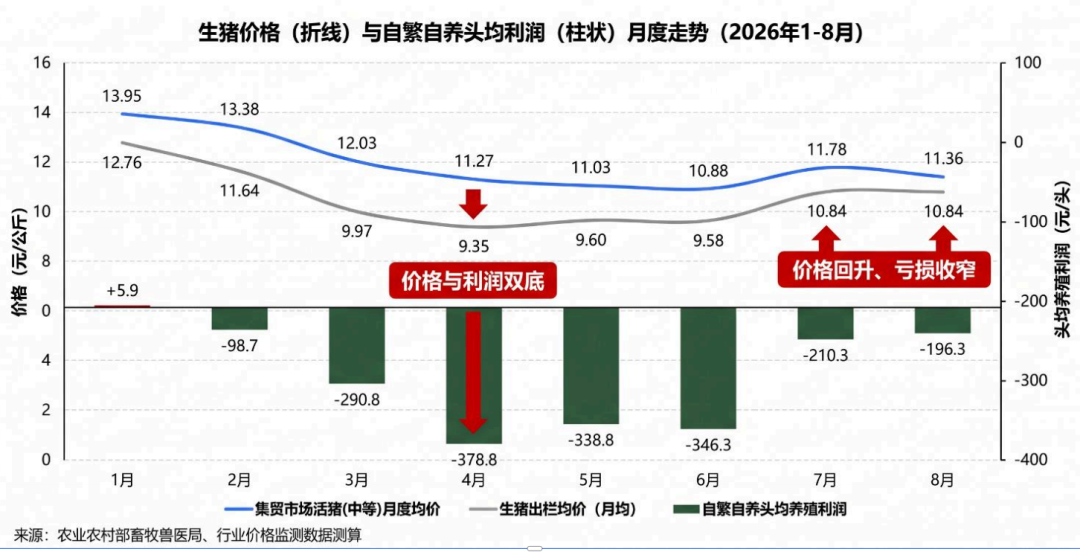 Chart 1: Monthly Trend of Live Hog Prices (Line) and Self-Breeding Profit per Head (Bar) (Jan–Aug 2026)
Executive Summary & Key Themes
- ▶ 1. Swine Sector: Deep loss bottoming out, troughing in April, mild rebound in July–August as sow destocking enters its second half.
- ▶ 2. Poultry Sector: Layer hens lead profitability; yellow broilers return to profits on tight supply; white broilers face inventory friction.
- ▶ 3. Aquaculture Sector: Output and feed volumes expand simultaneously, while fishmeal cost relief becomes the critical marginal positive for Q4.
Macro Overview Across Sectors
Between January and August 2026, China's livestock and aquaculture sectors exhibited distinct macro dynamics: "Swine bottoming out, poultry diverging, and aquaculture volume expanding." Swine endured protracted losses alongside tangible sow herd reduction (reproductive sows down to 37.8 million head), with prices and margins troughing in April and recovering across July and August. Poultry displayed internal divergence: layer hens led profitability, yellow broilers rebounded under supply discipline, and white broilers experienced inventory friction from genetics replenishment. Aquaculture registered volume expansion (+4.37% output, +17.4% feed) despite sharp margin compression from historic fishmeal spikes and depressed wholesale gate prices.
Two unifying threads linked the sectors: First, official capacity controls entered active enforcement, lowering target breeding sow herds to 37.5 million head (June inventories reached 100.8% of target, officially within the green control band). Second, input cost volatility dominated 2026, with fishmeal shocks driving feed price hikes in July, followed by gradual relief in August. Looking into Q4, focal points lie in swine destocking persistence, poultry inventory clearance, and aquaculture margin recovery.
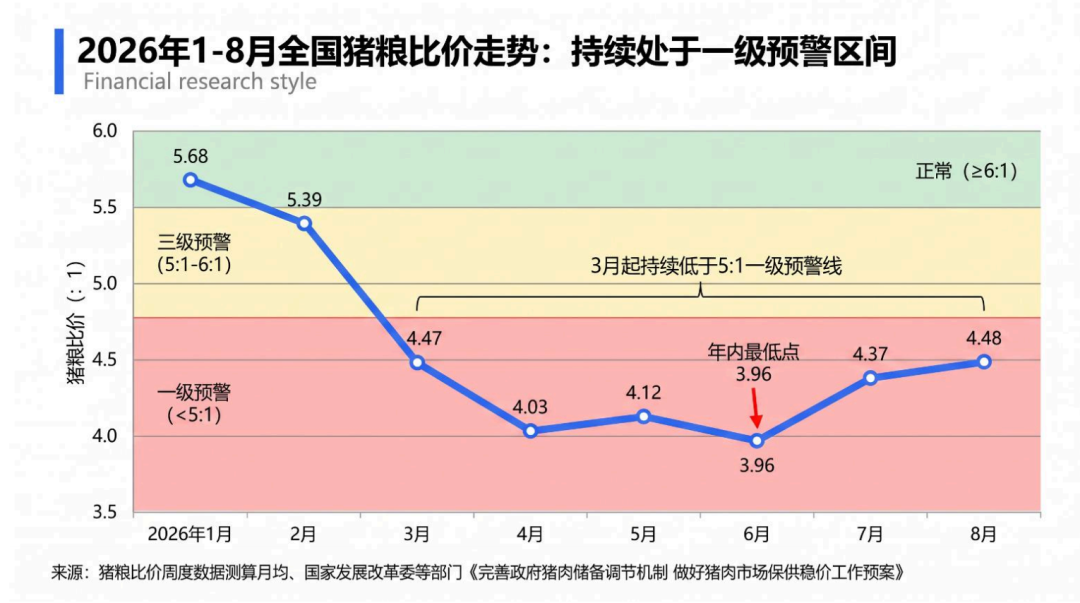 Chart 2: China Hog-to-Grain Price Ratio (Persisting in Tier-1 Early Warning Zone)
Live pig market prices trended downward from 13.95 RMB/kg in January to a cycle low of 10.88 RMB/kg in June, sending pig-to-grain price ratios below 5:1. Self-breeding and rearing operations registered peak losses of 378.8 RMB per head in April. Driven by policy directives (Decree No. 6 adjusting normal reproductive sow targets to 37.5 million head), commercial breeding sow inventories declined from 39.04 million in late March to 37.80 million by late June (-3.2% QoQ, -6.5% YoY), reaching 100.8% of targeted national reserves.
By late August, prices recovered moderately to 11.55 RMB/kg, narrowing self-rearing losses to 196 RMB per head. Because sow culling manifests in market hog supply approximately 10 months later, supply contraction is projected to materialize sequentially from Q4 2026 through 1H 2027.
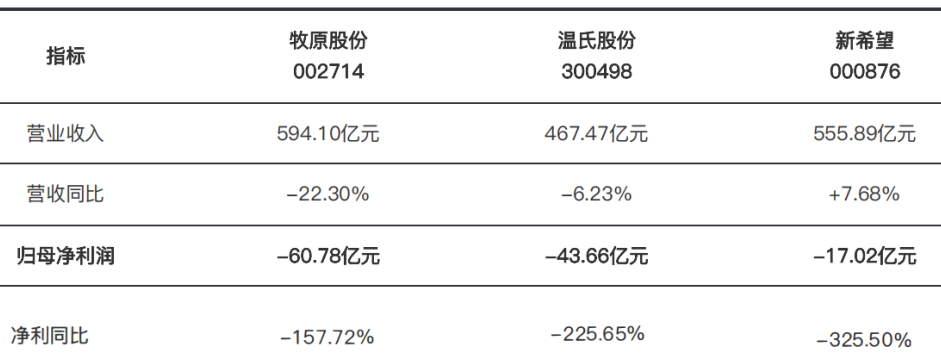 Table 1: Financial Performance of Muyuan, Wens, and New Hope (1H 2026)
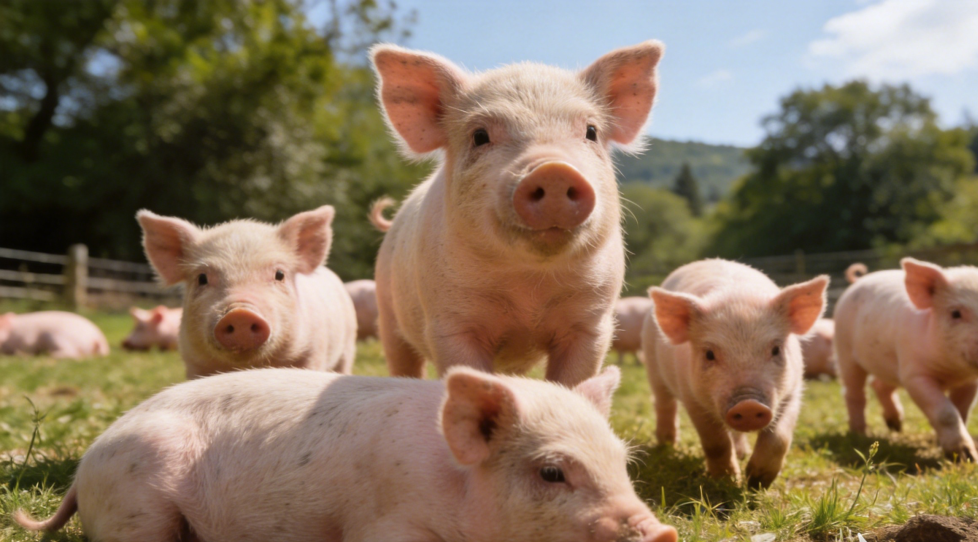 Figure 3: Modern biosecure swine production facilities enforce rigorous cost and capacity management
Top-tier producers trimmed complete production costs to 11.5–11.7 RMB/kg. However, with August farmgate prices at 10.84 RMB/kg, even leading enterprises operated at an approximate 0.9 RMB/kg deficit. The defining data point remains the official late-September breeding sow inventory, which will determine whether the destocking trend continues or pauses.
Farmgate egg prices in primary producing provinces rallied from 7.38 RMB/kg in March to 11.14 RMB/kg in late August (+47.7% YoY), driving cumulative per-hen farming profits to 74.84 RMB. However, culling ages climbed to 511 days alongside a +35.2% YoY jump in replacement chicks, signaling seasonal post-holiday price easing ahead.
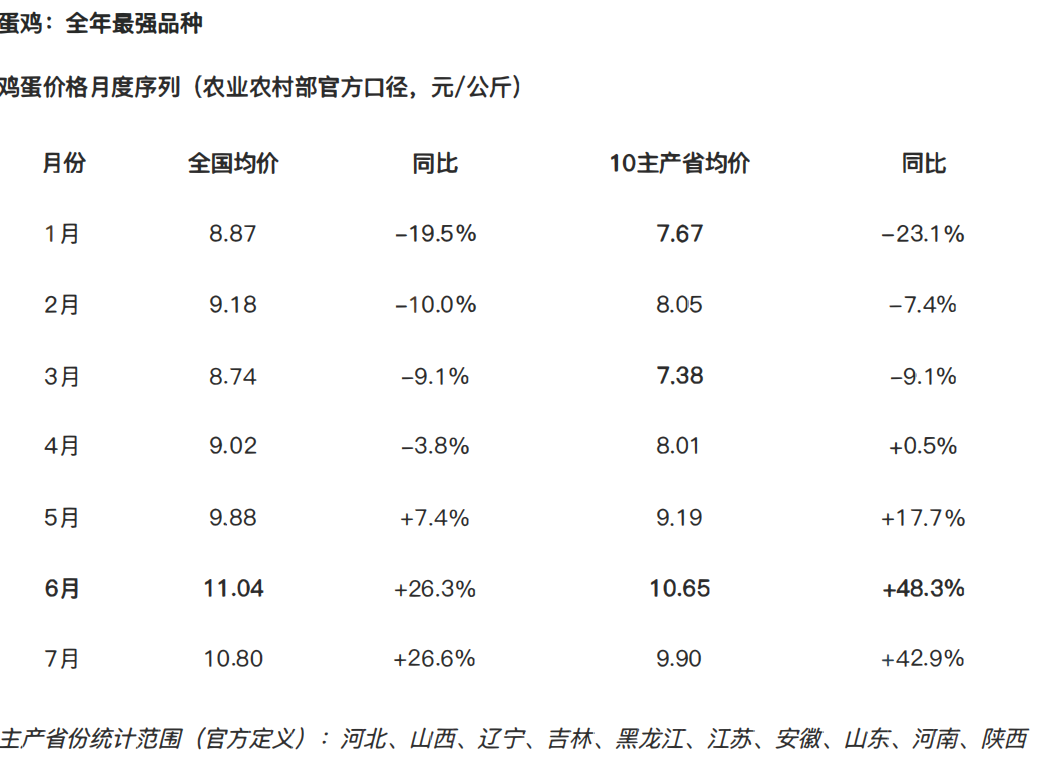 Table 2: China Monthly Farmgate Egg Prices (National Average vs. Top 10 Provinces)
White-Feathered Broilers (Inventory Rebound Friction): Following the resumption of grand-parental imports from France in June, July parental additions surged +110.8% YoY. In-production grand-parental stocks (1.645 million sets) and commercial parental stocks (23.35 million sets) hit post-2019 highs. High cold-storage inventories (85.6% occupancy) rapidly neutralized upstream import disruption premiums, sending broiler farming profits to -0.57 RMB/bird in late August.
Yellow-Feathered Broilers (Robust Supply Discipline): In-production parental stocks hovered near multi-year historic troughs (-2.5% YoY in July). Sanhuang and green-legged broilers sustained steady price gains, re-entering positive margin territory in early August.
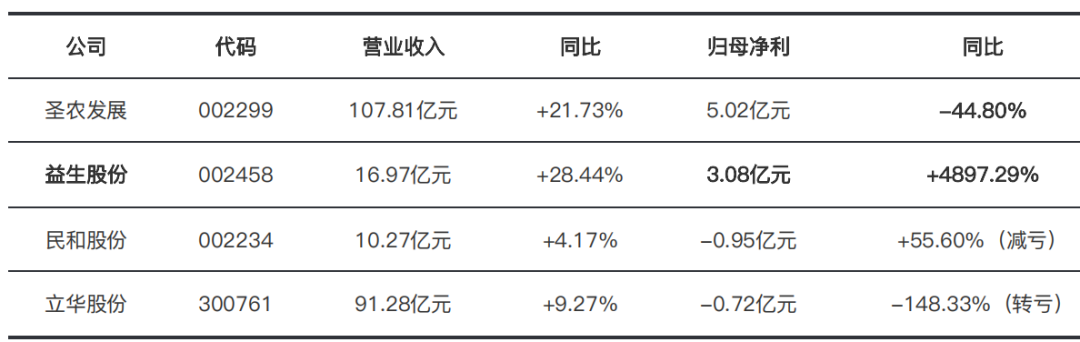 Table 3: Financial Highlights for Sunner, Yisheng, Minhe, and Lihua (1H 2026)
Yisheng reported 1H26 net profit attributable to parent company of 307 million RMB (+4897% YoY), driven by breeding stock revenue expansion. Sunner sustained positive gross margin trajectory at 13.67%. Unpredictable heatwaves in breeding source nations and winter avian influenza risks remain core watchpoints for 2H.
Aquaculture stood out as the sole segment delivering quantitative growth across 1H2026: total aquatic product volume reached 35.12 million tons (+4.37% YoY, with mariculture surging +5.95%), and aquafeed production totaled 11.10 million tons (+17.4% YoY). Marine-grade aquafeeds jumped +34.7%, evidencing robust farmgate feeding dedication despite low product prices.
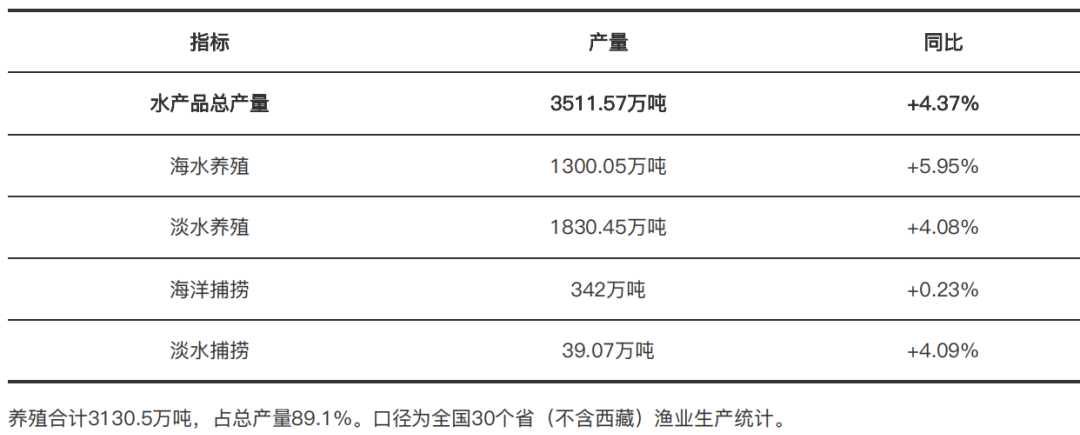 Table 4: China Total Aquatic Product Output and Sub-Sector Statistics (1H 2026)
However, producers faced sharp dual margin compression: wholesale aquatic prices dipped -0.78% with profound internal divergence (whiteleg shrimp -15.14%, tilapia -12.63%, and perch -31.58% suffered steep drops). Meanwhile, super-prime fishmeal peaked at 23,500–24,000 RMB/ton in late June and early July, triggering feed price hikes of 100–1,500 RMB/ton across 40+ leading aquafeed producers.
Cost Turning Point in August: Fishmeal stabilized at 22,600 RMB/ton in August with no further widespread price hikes. Key upcoming catalysts include Peru's second-season anchovy biomass quota survey and localized reduction in fingerling stocking rates (-15% to -50% across key species), which will set up potential price recovery in late Q4 through early 2027.
 Table 5: Haid Group and Yuehai Feed 1H2026 Revenue and Profit Highlights
Haid Group sustained strong volume (+13% in 1Q26) with per-ton aquafeed profits expanding significantly. Yuehai Feed achieved an estimated 38–50 million RMB net profit (+1240% YoY). Industry concentration is accelerating rapidly, with the top 20 feed producers holding over 50% market share.




 Official WeChat Channel
Shandong New-Line Biotechnology Co., Ltd.
Dedicated to industrial bacteriophage R&D and agricultural biotechnology, delivering natural precision lytic mechanisms to replace conventional antibiotics in livestock and aquaculture.
Hotline: +86-536-2201616
Official Websites: phages.biz / phages.cn